


Is Greaseproof Paper Recyclable? Recycling And Disposal Guide
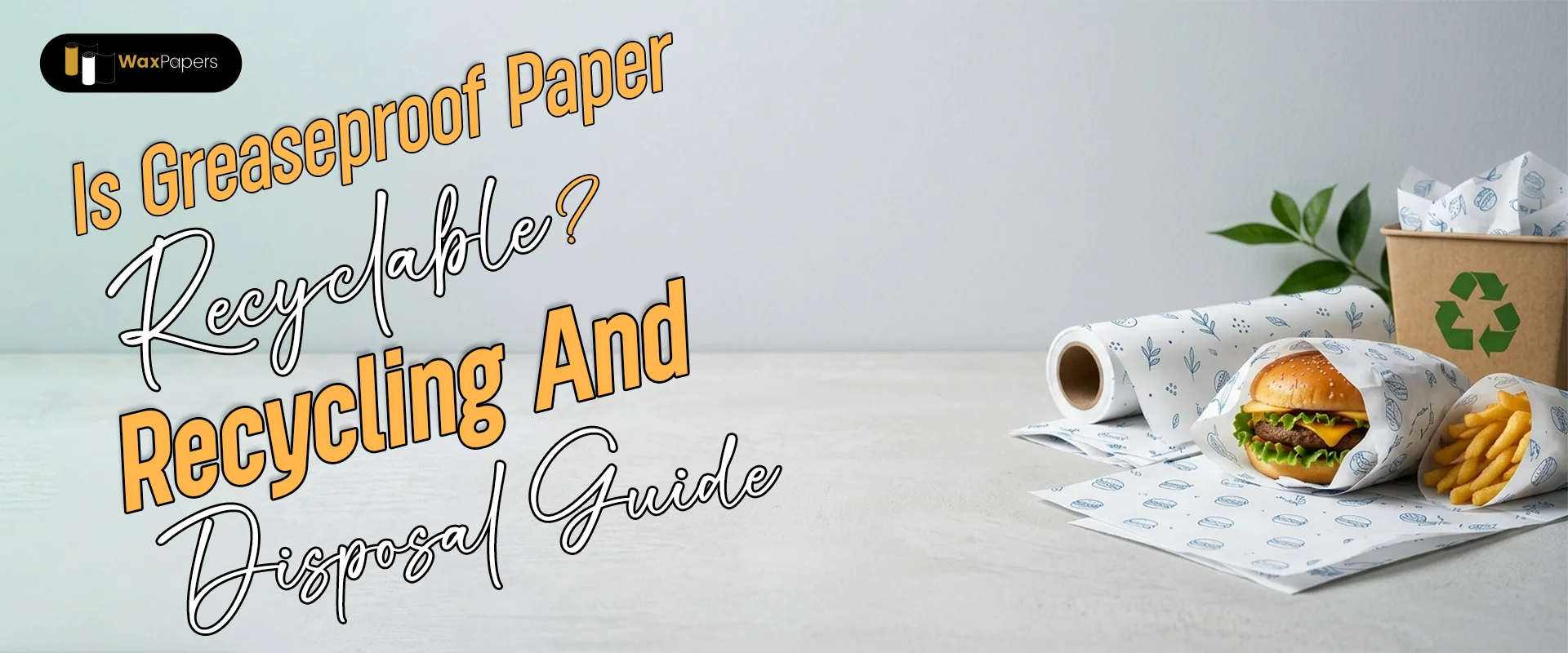
Greaseproof paper is a common sight in bakeries as well as cafes and food packaging. It helps keep oil and grease from soaking through. It is useful for wrapping sandwiches as well as lining food trays and packaging baked goods. But once you have used it, an important question comes up: is greaseproof paper recyclable?
The answer is not always straightforward. Whether greaseproof paper can go into your recycling bin depends on different factors. Here you will learn what greaseproof paper is and whether you can recycle or compost it after use.
What Is Greaseproof Paper?
Greaseproof paper is a type of paper designed to resist oil as well as grease and moisture. It is widely used in food packaging because it is lightweight as well as flexible and convenient. You may find it around bakery products and other greasy foods.
How Is Greaseproof Paper Made?
The manufacturing process goes through different stages. Grease resistance can be achieved by processing paper fibres or through additional treatments and coatings. The specific manufacturing process varies between products.
Common Uses of Greaseproof Paper
This greaseproof paper is commonly used for:
- Wrapping sandwiches and takeaway foods
- Packaging pastries and baked goods
- Lining food trays and baskets
- Separating bakery products
- Wrapping fatty or oily foods
- Food presentation and serving
Many of these applications involve direct contact with food. The greaseproof paper after use contains some amount of grease or food residue.
Can Greaseproof Paper Be Recycled After Use
In rare cases, yes but not necessarily in every situation. Papers that are used in less oily products may be accepted by some recycling systems. The paper is not suitable for recycling if it is greasy.
When Greaseproof Paper May Be Recyclable?
Greaseproof paper may be acceptable if it is made from recyclable paper fibres and contains no problematic coating. The paper should be in clean condition without any food particles. This type of paper is suitable for recycling. For other needs, butcher paper is also used to ensure safety!
Why Do Grease and Food Remains Affect Recycling?
The biggest issue with recycling consumable paper is contamination. When paper becomes saturated with oil as well as food particles, those contaminants can interfere with the recycling process. They can also reduce the quality of the recovered paper fibres.
For this reason, clean paper and heavily food-soiled paper cannot go the same way. If a piece of greaseproof paper is covered in grease or stuck with food, it may be unsuitable for your household paper recycling. Even if the original material itself is recyclable.
Is Greaseproof Paper Compostable?
It depends on the material of the paper and manufacturing process. Some greaseproof papers are designed primarily from paper fibres without a conventional plastic coating. Depending on the requirements of your composting system, this paper may be suitable for composting.
What to Check Before Composting
Before composting greaseproof paper, check:
- What the paper is made from
- Whether it has a coating or treatment
- Whether the manufacturer describes it as compostable
- Whether it is certified for the type of composting system you’re using
- Whether your local composting service accepts it
How to Dispose of Greaseproof Paper
- Check whether it is accepted in your recycling bin.
- Remove food and grease contamination where possible.
- When it is heavily contaminated, put greaseproof paper in general waste.
Composting is the way to go when the greaseproof paper is specifically designed and certified for composting. Read the instructions and local composting rules before disposing of the paper this way.
Greaseproof Paper VS Other Food Packaging Papers
Greaseproof paper is not the only paper product used around food. Parchment paper as well as wax paper and kraft paper can look similar but may have very different properties.
| Paper type | Usually recyclable? | Usually compostable? |
| Greaseproof paper | Depends on material and contamination | Depends on coating |
| Wax paper | Often not | Depends on wax |
| Parchment paper | Often not | Depends on product |
| Kraft paper | Generally yes if clean | Generally yes |
The safest approach is to identify the actual material that is used in the paper. The plus is to check the instructions of the manufacturer and local waste service provider.
How to Tell if Greaseproof Paper Is Recyclable?
Wondering what to do in the kitchen with a used sheet of greaseproof paper? Follow these simple steps.
- Check the packaging.
- Identify any coating or treatment.
- Check for food and grease contamination.
- Read your local recycling requirements.
Following this, you can determine whether greaseproof paper belongs in recycling.
Greaseproof paper and parchment paper
| Greaseproof paper | Parchment paper |
| Greaseproof paper has the ability to resist the penetration of oils and fats. | Parchment paper is typically treated to provide non-stick as well as fireproof properties. |
If it is contaminated for recycling, check certified properties for composting. Otherwise, general waste may be the appropriate disposal route.
Final Thought About Can Greaseproof Paper Go in Recycling?
There is not one answer that applies to every greaseproof paper product. Recyclability can depend on the paper’s coating as well as contamination and the requirements of the local recycling system.
A clean paper may be recyclable if the local recycling system accepts it. Heavy grease contamination and local processing requirements can make recycling unsuitable.
The best approach is simple:
- Identify the product.
- Check its coating or treatment.
- Follow recycling guidelines.
If you are choosing greaseproof paper, choose kraft paper for food items. Plus, it is also worth it for eco-friendliness and durability. Check the Waxpapers UK paper providers that provide clear information about recyclability and disposal. It will help you to choose paper according to the product.